Country

Trips to Rwanda

Where mountain gorillas move through mist and every hill tells a story

Few places reward slowness like Rwanda.

Your Rwanda trip, built around you
Tailor-made

Your Rwanda trip, built around you

We design the trip around you: tell us your dates, pace and interests and we'll send you a proposal.

Request a tailor-made proposal
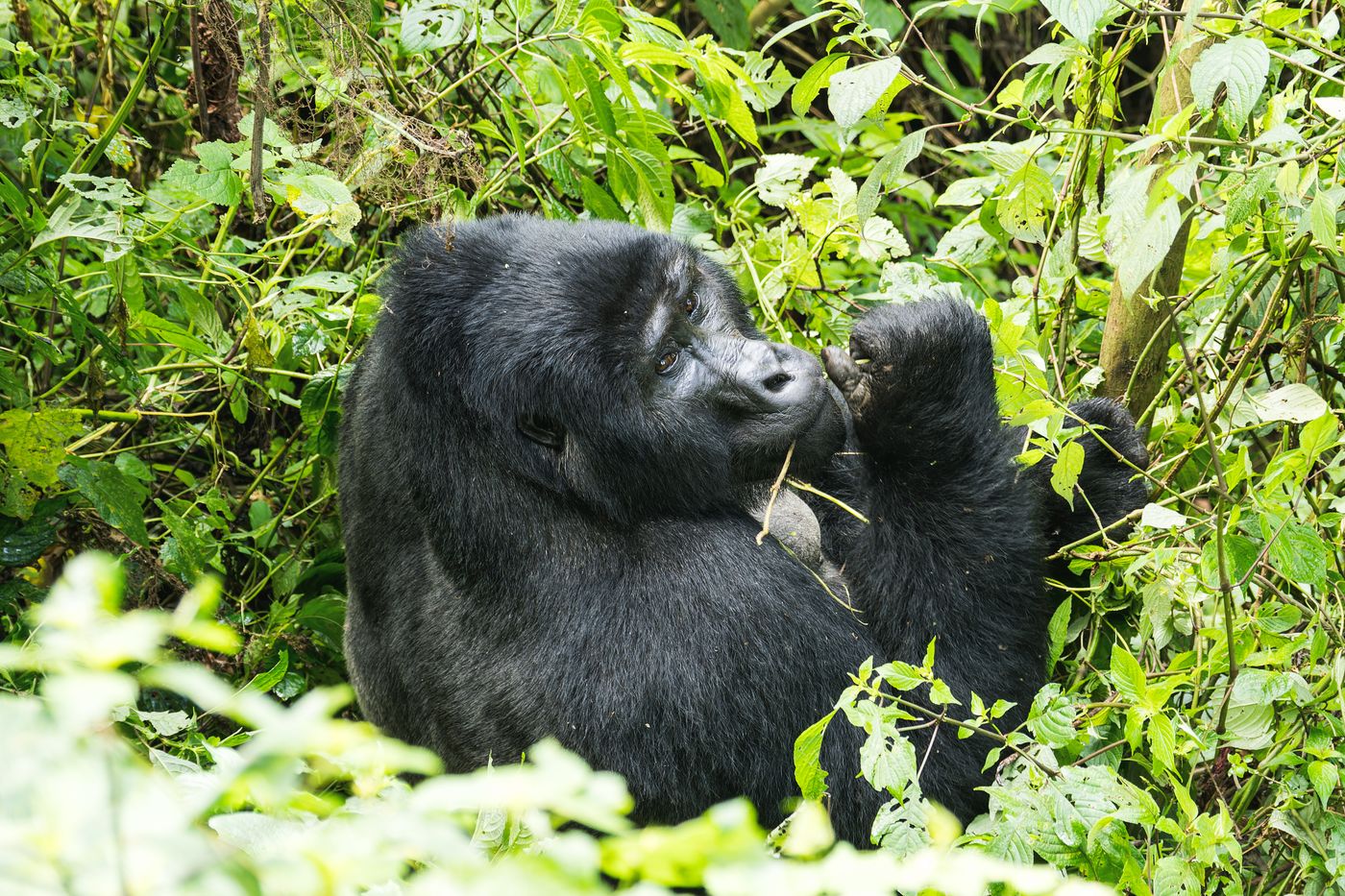
Ten metres from a silverback
Rwanda

Ten metres from a silverback

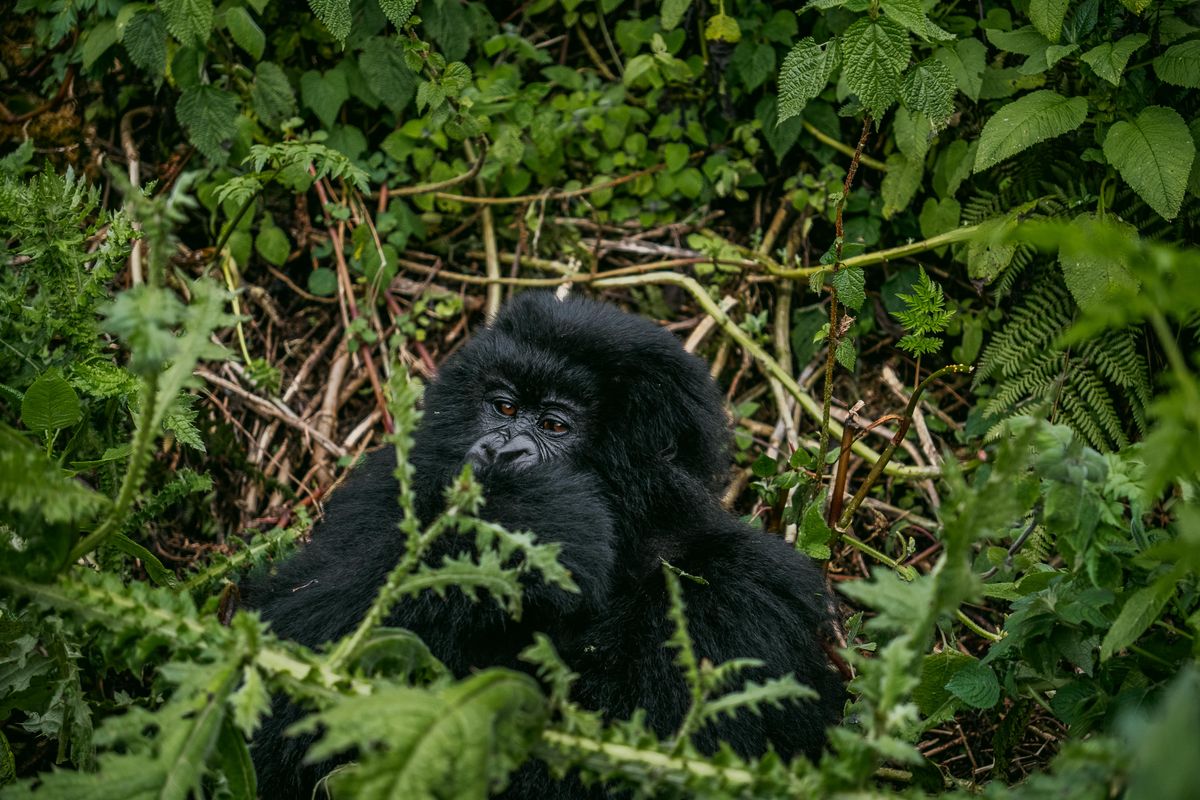
You hear them before you see them: a low rumble through the undergrowth of the Virunga foothills. Then the forest opens and there it is — a mountain gorilla family, unhurried, within arm's reach. It's one of the few moments in travel that feels genuinely unrepeatable.

Kigali on a quiet morning

Kigali on a quiet morning

Kigali is cleaner and calmer than almost any capital on the continent. Start at the Genocide Memorial — essential, sobering, necessary — then follow the coffee smell to a terrace in Kimihurura, where Rwanda's younger generation is building something new over flat whites and plantain.

Sixty metres above the oldest forest in Africa

Sixty metres above the oldest forest in Africa

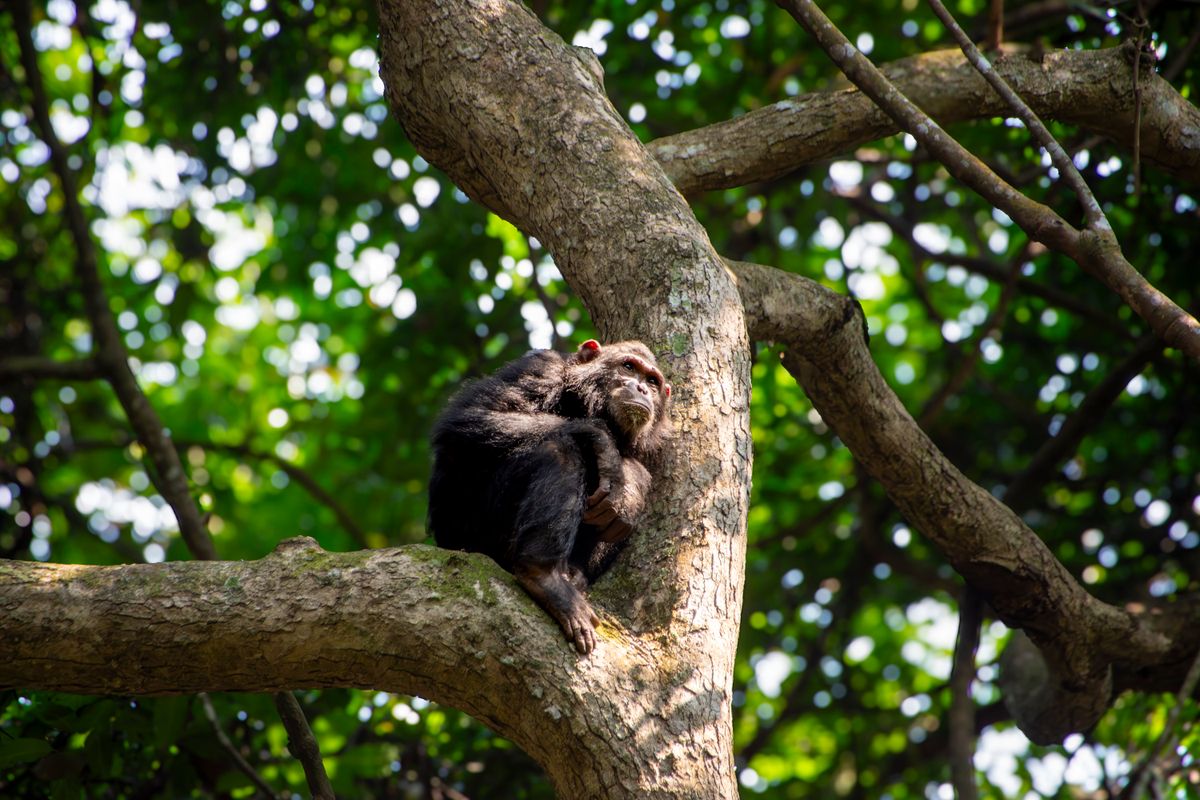
Nyungwe's canopy walkway sways gently sixty metres above the forest floor. Below you, a rainforest that has survived ice ages. Listen: somewhere in the canopy, a chimp calls. Around you, more than 300 species of bird are going about their day without any interest in yours.

How we work Rwanda for you

  1. 01

    East Africa is our home

    Rwanda, Uganda, Kenya, Tanzania — we work these countries daily. We know which parks to pair, what order makes sense logistically and where to add a day when the plan needs breathing room.

  2. 02

    Group or fully tailored

    Travel with a small group or let us design your Rwanda trip from scratch — the parks, the lodges, the pace. Both routes get the same level of attention before you leave.

  3. 03

    Combinations that work

    Rwanda pairs naturally with Uganda or Kenya. We can design a combined East Africa trip — including the East Africa Tourist Visa route — so you don't waste a day in transit.

We plan your trip to Rwanda

We help you choose how, when and for how long.

Request my proposal
Guide

What to see in Rwanda

Rwanda is compact but covers several very different landscapes — volcanic highlands, ancient rainforest, open savannah and a lakeside western shore. Here's how the country breaks down zone by zone.

Volcanoes National Park
01

Volcanoes National Park

The northwest of Rwanda is where most trips begin — and for good reason. Volcanoes National Park sits at the foot of the Virunga volcanic chain and is internationally recognised as one of the best places on earth for mountain gorilla trekking. Several habituated gorilla families live here, and permits must be booked well in advance through Rwanda Development Board.

Beyond gorillas, the park is also home to golden monkeys and offers walks through bamboo forest up towards the volcanic peaks. Base yourself in or near Musanze for access, and pair the visit with the nearby Gorilla Guardians Village for a community experience that adds genuine context to the wildlife.
Akagera National Park
02

Akagera National Park

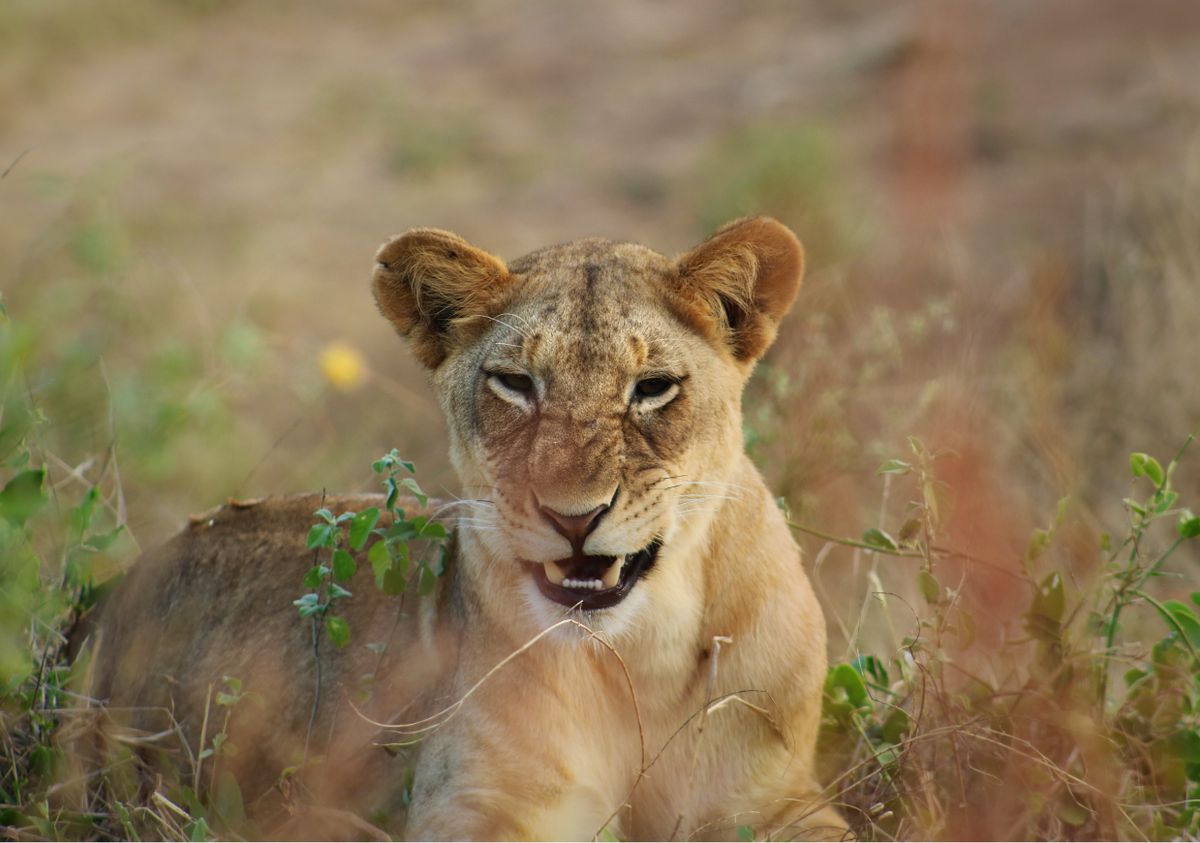
Eastern Rwanda couldn't feel more different from the northwest. Akagera is Rwanda's only savannah park — a wide, open landscape of grassland, woodland and lakes that holds lions, elephants, rhinos, giraffes and zebras, ticking the classic Big Five box in a park that is significantly less crowded than its Kenyan or Tanzanian equivalents.

Game drives here work well at dawn and dusk; boat safaris on Lake Ihema add a different angle, especially for birdwatchers — over 500 species have been recorded. Akagera works well as a two-night stop before or after Kigali.

Nyungwe Forest
03

Nyungwe Forest

Nyungwe is one of Africa's oldest rainforests and the country's best place for chimpanzee trekking. The forest has been here through ice ages; the biodiversity is staggering — over 300 bird species, 13 primate species and an ecosystem that rewards anyone willing to move slowly and look carefully.

The 160-metre canopy walkway, suspended 60 metres above the forest floor, is a highlight in its own right. Nyungwe sits in the southwest and pairs well with a stop at Lake Kivu on the western shore.

Lake Kivu
04

Lake Kivu

Rwanda's western edge is defined by Lake Kivu, a wide freshwater lake shared with the DRC and ringed by steep hillsides. It's a natural place to decompress between park visits — kayaking, swimming, sundowners on a terrace above the water — and the lakeside towns have a relaxed pace that contrasts with the intensity of trekking days.

Note that the western border area itself carries travel advisories (both UK and US governments advise against travel within 10 km of the DRC border); stay in the established tourist areas along the lake.

Kigali
05

Kigali

Almost every Rwanda trip starts or ends in the capital, and it deserves more than a single night. Kigali is one of the most organised and walkable cities in East Africa. The Genocide Memorial is a must — difficult but important — and the local markets, coffee shops and restaurants around Kimihurura and Remera give a clear sense of how quickly the city has rebuilt and reimagined itself.

Give it at least two nights: one to settle and visit the memorial, one to explore the city at your own pace.

When to travel to Rwanda

Rwanda's climate is shaped more by altitude than by latitude — cool in the highlands, milder on the lower slopes year-round.

June to August
The main dry season: lower humidity, clearer trails and reliable gorilla trekking conditions. The most popular window — and the busiest for permits.
December to February
A shorter dry spell between the two rainy seasons. Good for trekking, fewer visitors than mid-year and often better lodge availability.
March to May
The long rains. Trails become muddy and some tracks close; trekking is harder but possible. A quieter, greener Rwanda for those who don't mind the weather.
September to November
The short rains return in October. September is often a sweet spot — trails still workable, humidity rising slowly — before the rains arrive in earnest.
Before you travel to Rwanda

Before you travel to Rwanda

Visa & passport
UK citizens: free 30-day visa on arrival or e-visa via irembo.gov.rw. US citizens: visa on arrival or e-visa in advance.
Language
Kinyarwanda is the national language. English is widely spoken in tourism and business; French is also official.
Currency
Rwandan franc (RWF). USD and EUR easy to exchange on arrival. Credit cards accepted at most larger Kigali hotels. ATMs in main towns.
Time zone
Central Africa Time (CAT), UTC+2. No daylight saving. Rwanda is 2 hours ahead of the UK (3 hours in summer) and 7 hours ahead of US Eastern time.
Health & vaccines
Yellow fever certificate required only if arriving via an endemic country (e.g. Uganda, Kenya, Ethiopia).
Getting there
RwandAir flies direct from London Heathrow (around 8h 30min). No non-stop flights from the US — connect via London, Dubai, Nairobi or Addis Ababa.
Plastic bags
Rwanda has a nationwide ban on single-use plastic bags. Don't pack them — they will be confiscated at the airport.

Common questions about travelling to Rwanda

Do UK or US citizens need a visa for Rwanda?
UK citizens enter free of charge for up to 30 days — via visa on arrival as a Commonwealth member — or can apply in advance at irembo.gov.rw. US citizens can get a visa on arrival or via e-visa. Both options are straightforward, but applying online before you travel is always the smoother route.
Do I need a yellow fever jab to enter Rwanda?
Only if you're arriving from or transiting through a yellow fever-endemic country — Uganda, Kenya and Ethiopia are the most common examples. If you fly directly from the UK or US without routing through an endemic country, no certificate is required. If you connect via Nairobi or Addis Ababa, carry it.
How many days should I spend in Rwanda?
A focused gorilla trekking trip works in 5–6 days (Kigali plus Volcanoes NP). To add Akagera or Nyungwe, plan for 8–10 days. Combining Rwanda with Uganda or Kenya works well over 12–14 days.
How do I book a gorilla trekking permit?
Permits are issued by Rwanda Development Board and must be booked in advance — they sell out months ahead in peak season (June–August). We handle permit bookings as part of trip planning: don't leave this to the last minute.
Is Rwanda safe to travel to?
Rwanda is widely considered one of the safer countries in East Africa for visitors. Both the UK and US governments advise against travel within 10 km of the DRC border to the west, but the main tourist areas — Kigali, Volcanoes NP, Akagera, Nyungwe and Lake Kivu's tourist zone — are not affected by that advisory.
Are there direct flights from the US to Rwanda?
As of late 2026 there are no non-stop flights from the US to Kigali. The most common connections are via London, Dubai, Nairobi or Addis Ababa. If connecting via Nairobi or Addis Ababa, carry a yellow fever certificate.
Can I combine Rwanda with Uganda or Kenya?
Yes — it's one of the most popular combinations in East Africa. The East Africa Tourist Visa (covering Rwanda, Uganda and Kenya) is worth considering if you're doing all three. We can design a combined trip that makes sense logistically and doesn't waste days moving between countries.
How do I get around Rwanda?
Rwanda is compact enough that a private vehicle with a driver-guide is the standard and most practical way to travel between parks. Kigali has good urban connectivity. Wi-Fi is widely available in hotels; phone signal is strong in cities but patchy in remote areas.

Ready to start planning your Rwanda trip?

Send us a message on WhatsApp and tell us roughly when you want to go, who's travelling and what you'd most like to see.

Step 1 of 4
When and for how long?
Length
Made withsiteway.travel